
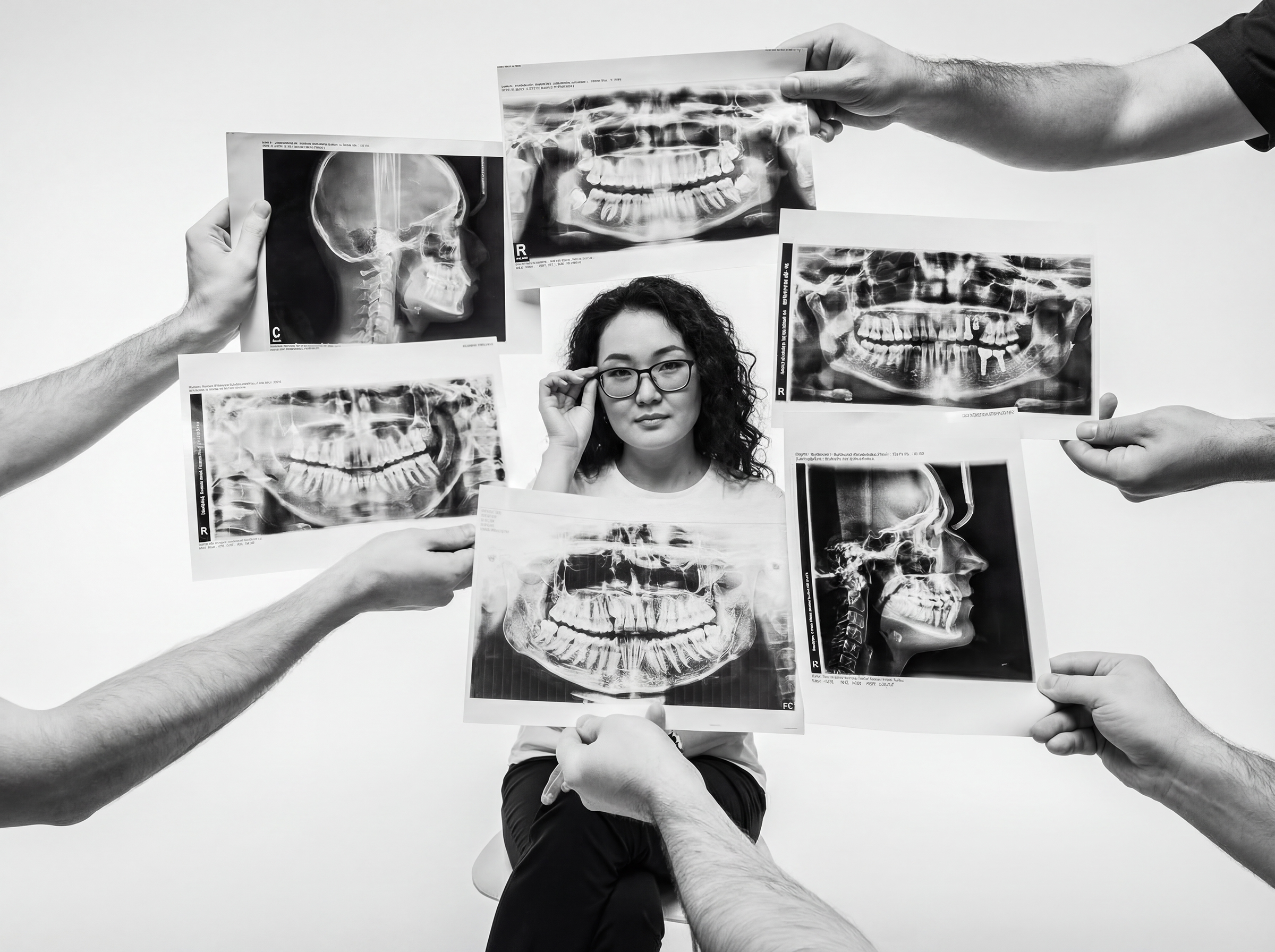
Advances in oral and maxillofacial surgery continue to shape patient care, from digital planning to improved surgical safety. Here’s what’s changing and why it matters.
Introduction
Oral and maxillofacial surgery is an evolving field that integrates dentistry, medicine, and surgical innovation. In recent years, advances in digital technology, imaging, and surgical protocols have improved how conditions involving the jaw, face, and oral structures are assessed and managed.
This article highlights recent developments relevant to patients seeking oral and maxillofacial care, and explains how these changes support safer, more informed treatment planning.
Digital Imaging and Surgical Planning
One of the most significant developments in oral surgery is the wider use of three-dimensional imaging and digital planning. Cone-beam CT (CBCT) scans and virtual planning software allow surgeons to visualise jaw structures, nerves, and airways in greater detail before surgery.
This technology is increasingly used in:
- Wisdom tooth assessment
- Dental implant planning
- Jaw (orthognathic) surgery
- Evaluation of airway-related conditions
Digital planning supports clearer risk assessment and more precise surgical execution.
Improved Safety and Monitoring Standards
Across healthcare, there is continued emphasis on patient safety and clinical governance. In oral and maxillofacial surgery, this includes:
- Enhanced pre-operative screening
- Structured consent discussions
- Standardised monitoring during procedures involving sedation
- Post-operative follow-up protocols
These measures help ensure that patients receive care aligned with current professional and regulatory standards.
Growing Focus on Airway Health
Airway evaluation has become a key consideration in oral and maxillofacial practice. Conditions such as obstructive sleep apnea may involve anatomical factors related to the jaw, tongue, or facial skeleton.
As a result, collaboration between dental, surgical, and sleep medicine teams is becoming more common, supporting comprehensive assessment and coordinated care.
What This Means for Patients
For patients, these developments translate into:
- More detailed assessments before treatment
- Clearer understanding of risks and options
- Greater precision in surgical planning
- Care that reflects current clinical standards
Conclusion
Oral and maxillofacial surgery continues to evolve alongside advances in technology and clinical practice. Staying informed about these developments helps patients make confident, well-informed decisions about their care.