Introduction
Changes in the mouth are common, and many are harmless. However, persistent or unusual findings may require further evaluation. Oral pathology focuses on identifying, diagnosing, and managing abnormal conditions affecting the mouth, jaws, and surrounding facial structures.
Early assessment supports clarity and appropriate management. For this reason, understanding when oral pathology evaluation is recommended can help patients seek timely care and avoid unnecessary uncertainty.
What Is Oral Pathology?
Oral pathology is the field of oral and maxillofacial care concerned with diseases affecting the:
- Gums and oral soft tissues
- Tongue and floor of the mouth
- Jawbone
- Salivary glands
- Facial and jaw structures
Conditions reviewed under oral pathology range from inflammatory or infectious changes to cysts, benign growths, and conditions requiring closer monitoring.
According to HealthHub Singapore, any oral change that does not resolve within two weeks should be evaluated by a healthcare professional.
https://www.healthhub.sg
Common Signs That May Require Oral Pathology Assessment
Although many oral changes resolve on their own, assessment may be recommended if you notice:
- A mouth ulcer that does not heal after two weeks
- A lump or swelling in the mouth, jaw, or neck
- Red or white patches on the tongue, gums, or cheeks
- Persistent pain, numbness, or tingling
- Unexplained bleeding
- Changes in how teeth or dentures fit
These signs do not automatically indicate serious disease, but they should not be ignored.
How Oral Pathology Is Assessed
Oral pathology assessment is structured and methodical. It typically includes:
- A detailed medical and dental history
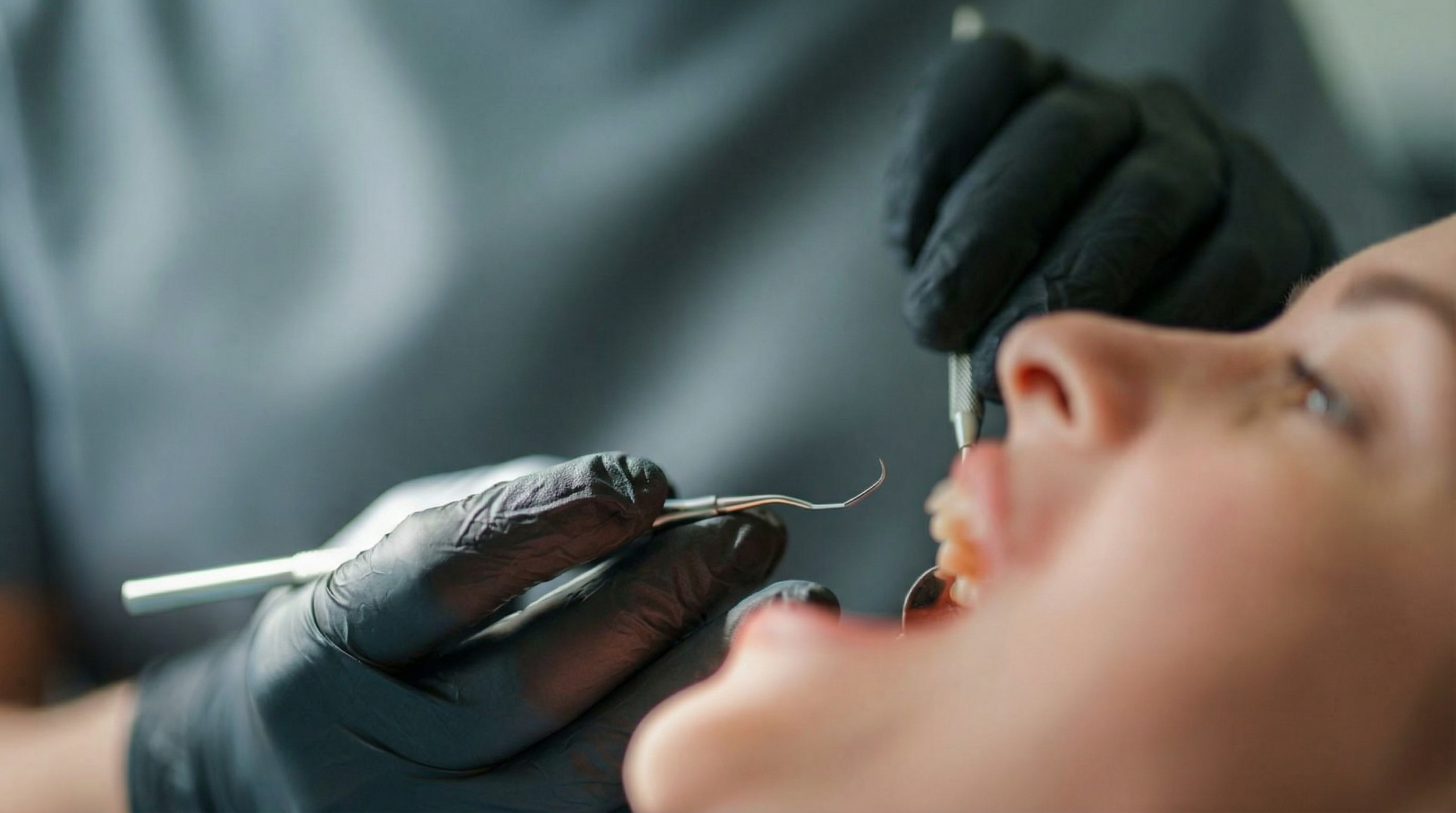
- Clinical examination of the mouth, jaw, and facial tissues
- Imaging such as dental X-rays or CBCT when indicated
- Discussion of whether monitoring or biopsy is appropriate
Academic centres such as the National University Centre for Oral Health Singapore emphasise systematic evaluation to distinguish benign conditions from those requiring intervention.
https://www.nuhs.edu.sg/nucohs
Understanding Oral Biopsy
In some situations, an oral biopsy may be recommended. A biopsy involves removing a small tissue sample for laboratory analysis.
A biopsy helps to:
- Confirm a diagnosis
- Exclude serious conditions
- Guide appropriate treatment planning
The procedure is usually performed under local anaesthesia and is discussed thoroughly beforehand.
Why Early Oral Pathology Evaluation Matters
Early evaluation allows clinicians to:
- Identify conditions at an earlier stage
- Monitor lesions safely when observation is appropriate
- Initiate timely treatment or referral when required
Public education resources from Singapore General Hospital highlight that early assessment of oral abnormalities supports clearer care pathways and better outcomes.
https://www.sgh.com.sg/our-services/Oral-Maxillofacial-Surgery
Conditions Commonly Reviewed in Oral Pathology
Depending on findings, oral pathology may involve:
- Monitoring stable or reactive lesions
- Medical management of inflammatory conditions
- Surgical removal of cysts or benign growths
- Multidisciplinary referral when indicated
All recommendations are individualised and based on confirmed clinical findings.
Conclusion
Oral pathology plays an important role in identifying abnormal changes in the mouth and jaw. While many findings are harmless, persistent or unexplained changes should always be evaluated.
Through careful examination, appropriate imaging, and biopsy when needed, oral and maxillofacial care supports accurate diagnosis and informed management tailored to each individual.
References & Further Reading
-
HealthHub Singapore – Oral and dental conditions
https://www.healthhub.sg -
National University Centre for Oral Health Singapore
https://www.nuhs.edu.sg/nucohs -
Singapore General Hospital – Oral & Maxillofacial Surgery
https://www.sgh.com.sg/our-services/Oral-Maxillofacial-Surgery