
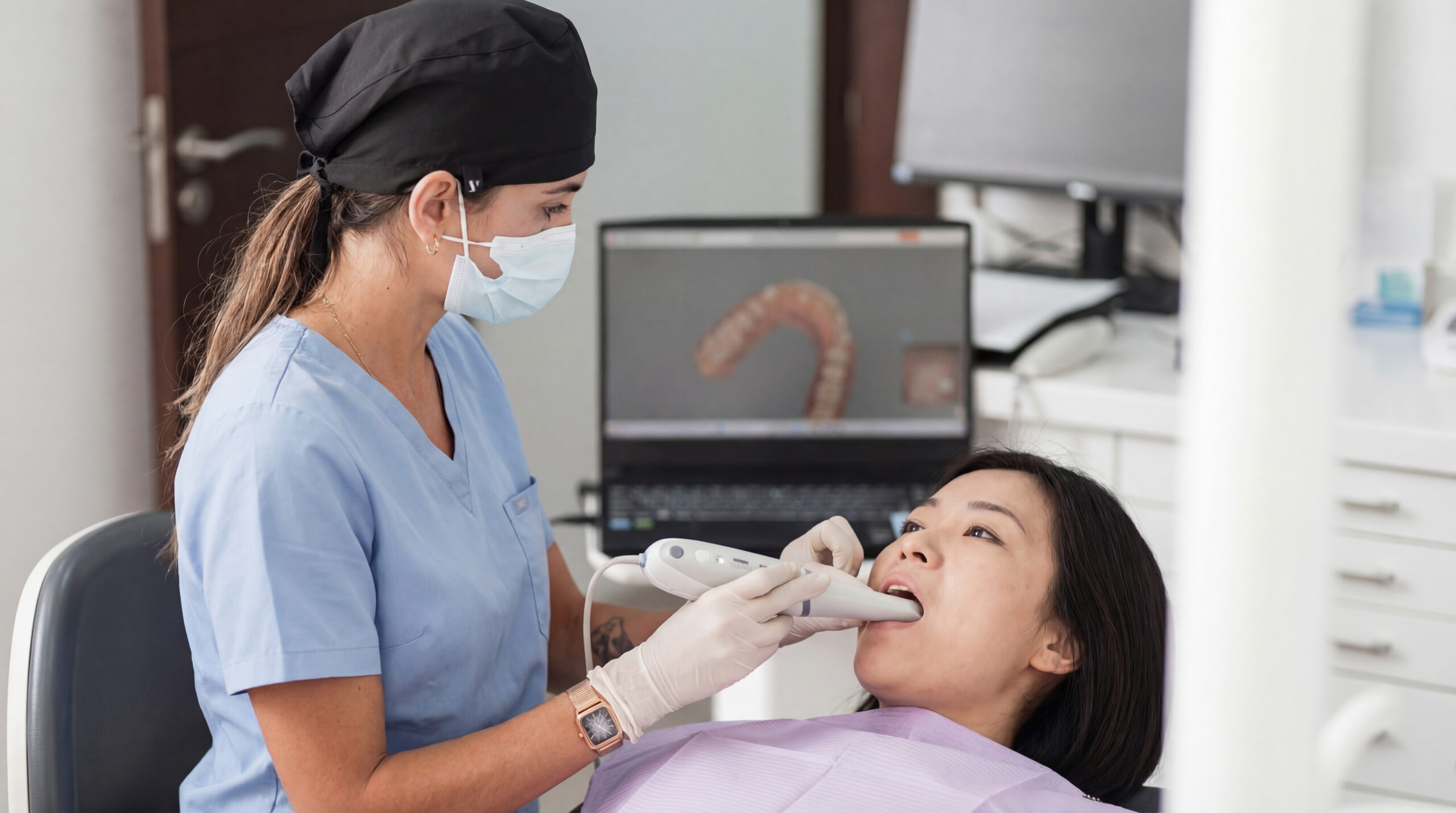
Discover how AI and digital workflows are being integrated into oral surgery in Singapore to support diagnosis, planning, and patient communication.
The Growing Role of Digital Workflows in Healthcare
Singapore’s healthcare system continues to adopt digital technologies and data-driven tools to enhance clinical care. In dentistry and oral and maxillofacial surgery, this includes the gradual integration of artificial intelligence (AI) and digital workflows into diagnosis and treatment planning.
While still evolving, these technologies are being explored to support clinicians in delivering structured, precise, and patient-centred care.
According to Singapore’s Smart Nation initiative, digital transformation in healthcare aims to improve efficiency, safety, and patient outcomes.
(Source: https://www.smartnation.gov.sg, https://www.moh.gov.sg)
What Is a Digital Workflow in Oral Surgery?
A digital workflow refers to the use of interconnected technologies to manage different stages of patient care.
Typical Components Include:
- Digital imaging (e.g. CBCT scans)
- Software-based treatment planning
- Surgical guides (when appropriate)
- Digital records for coordinated care
These tools allow clinicians to assess conditions with greater clarity and prepare for procedures more systematically.
Where AI Is Being Used
AI in oral healthcare is primarily used as a support tool, not a replacement for clinical expertise.
Current Applications Include:
- Assisting in identifying anatomical structures in imaging
- Highlighting potential areas of concern (e.g. lesions, bone levels)
- Supporting consistency in diagnostic interpretation
It is important to note that all findings generated by AI tools are reviewed and validated by qualified clinicians.
Benefits for Patients
Digital workflows and AI-supported tools may contribute to:
1. Clearer Communication
Visual aids can help patients better understand their condition and treatment options.
2. More Structured Planning
Clinicians can simulate procedures in advance, improving preparation.
3. Coordinated Care
Digital records allow for easier collaboration between dental and medical professionals.
Maintaining a Balanced Approach
Singapore healthcare authorities emphasise that while technology can enhance care, it must be used responsibly.
Key Considerations:
- Clinical decisions remain based on professional judgement
- Technology is used only where appropriate
- Patient safety and data privacy are prioritised
The Ministry of Health (MOH) continues to regulate healthcare practices to ensure safe adoption of new technologies.
(Source: https://www.moh.gov.sg)
What This Means for Patients
Patients may notice:
- More detailed imaging during consultations
- Visual explanations of treatment plans
- Increased use of digital tools in clinics
However, the core of care remains unchanged—a thorough clinical assessment and personalised treatment planning.
Looking Ahead
As digital healthcare continues to develop in Singapore, future applications may include:
- Enhanced predictive tools for treatment planning
- Greater integration between dental and medical records
- Improved patient education platforms
These developments aim to support—not replace—the human aspects of care.
Conclusion
AI and digital workflows are gradually becoming part of oral and maxillofacial practice in Singapore. For patients, this means improved visualisation, clearer communication, and more structured planning.
If you are undergoing or considering oral surgery, your clinician can guide you on how these technologies may be used in your care.