
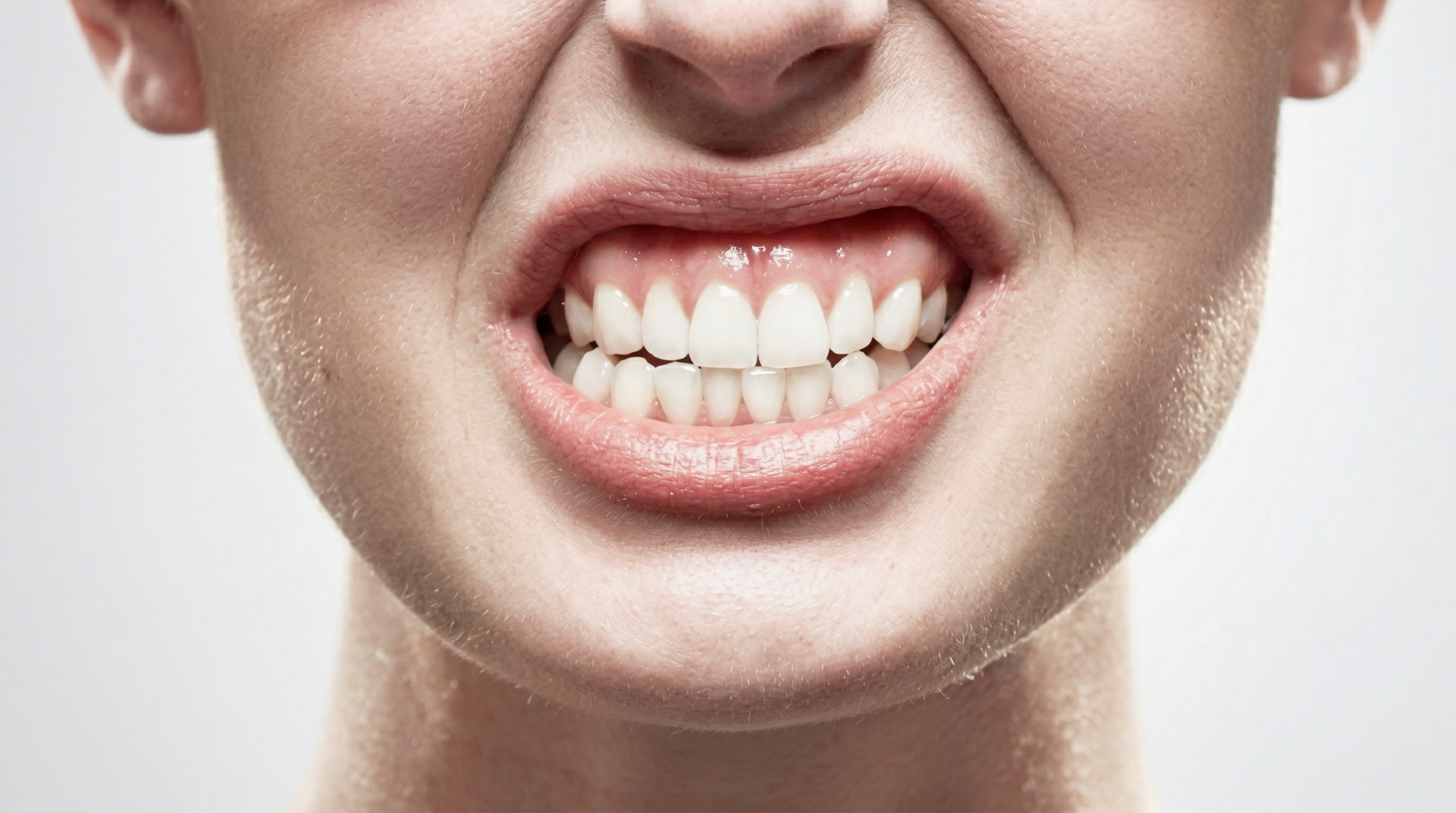
Teeth grinding (bruxism) can affect dental health, jaw joints, and sleep quality. Learn about causes, symptoms, and when specialist assessment may help.
Bruxism: A Common but Often Overlooked Condition
Bruxism — the involuntary grinding or clenching of teeth — is increasingly recognised as a condition that may affect oral health, jaw joints, and sleep quality. It can occur during the day (awake bruxism) or during sleep (sleep bruxism).
Public health resources such as HealthHub Singapore highlight that stress, sleep disturbances, and bite irregularities may contribute to teeth grinding. Because symptoms can develop gradually, many patients are unaware of the condition until dental wear or jaw discomfort becomes noticeable.
At The Oral Maxillofacial Practice (OMP), clinicians evaluate bruxism as part of broader assessments of jaw pain, tooth wear, and temporomandibular joint (TMJ) concerns.
Signs and Symptoms Patients May Notice
Teeth grinding can present with a range of symptoms. Patients sometimes seek care for:
- Morning jaw soreness
- Headaches around the temples
- Tooth sensitivity
- Flattened or worn tooth surfaces
- Jaw clicking or stiffness
- Interrupted sleep reported by partners
According to information from Singapore General Hospital, persistent grinding can contribute to tooth damage and strain on the temporomandibular joints.
Early assessment may help identify contributing factors and guide appropriate management strategies.
Possible Causes of Bruxism
Bruxism is often multifactorial. Factors that may be associated with teeth grinding include:
- Psychological stress or anxiety
- Sleep disorders such as obstructive sleep apnea
- Misaligned bite relationships
- Certain medications
- Lifestyle factors including caffeine or alcohol consumption
Educational materials from the National University Centre for Oral Health Singapore note that sleep-related bruxism may be linked to sleep arousal patterns.
Understanding these contributing factors helps clinicians recommend appropriate management.
Why Professional Evaluation Matters
Left unaddressed, chronic bruxism may lead to:
- Excessive tooth wear
- Cracked or fractured teeth
- Jaw joint discomfort
- Muscle fatigue and facial pain
Evaluation typically involves:
- Clinical examination of teeth and bite
- Assessment of jaw joint movement
- Review of medical and sleep history
- Imaging when clinically indicated
In some cases, collaboration with sleep physicians may be recommended if sleep-disordered breathing is suspected.
Management Options for Bruxism
Management strategies are tailored to the individual patient. Approaches may include:
Protective Oral Appliances
Custom night guards may help protect teeth from grinding forces during sleep.
Lifestyle Adjustments
Patients may benefit from addressing stress triggers, improving sleep hygiene, and moderating caffeine intake.
TMJ Evaluation
If jaw joint symptoms are present, additional assessment may be required.
Sleep Assessment
Sleep-related bruxism may prompt evaluation for sleep apnea in selected cases.
The Ministry of Health Singapore recognises sleep health as an important component of overall well-being.
OMP’s Approach to Bruxism Assessment
At OMP, evaluation of teeth grinding focuses on identifying:
- Tooth wear patterns
- Jaw joint function
- Muscle tenderness
- Contributing lifestyle or sleep factors
Management recommendations are discussed carefully, with emphasis on patient education and long-term oral health.
Conclusion
Bruxism is a common condition that can affect both dental structures and jaw comfort. Early recognition and professional assessment can help prevent complications such as tooth damage or persistent jaw strain.
Patients experiencing frequent jaw discomfort, tooth sensitivity, or signs of teeth grinding may benefit from a clinical evaluation to explore possible causes and management options.
Internal links (placeholders):
- [TMJ Disorders: Symptoms and Treatment Options]
- [Night Guards for Teeth Grinding Explained]
- [Sleep Apnea and Oral Health]
Sources
- Ministry of Health Singapore – https://www.moh.gov.sg
- HealthHub Singapore – https://www.healthhub.sg
- Singapore General Hospital – https://www.sgh.com.sg
- National University Centre for Oral Health Singapore – https://www.nuhs.edu.sg/nucohs