
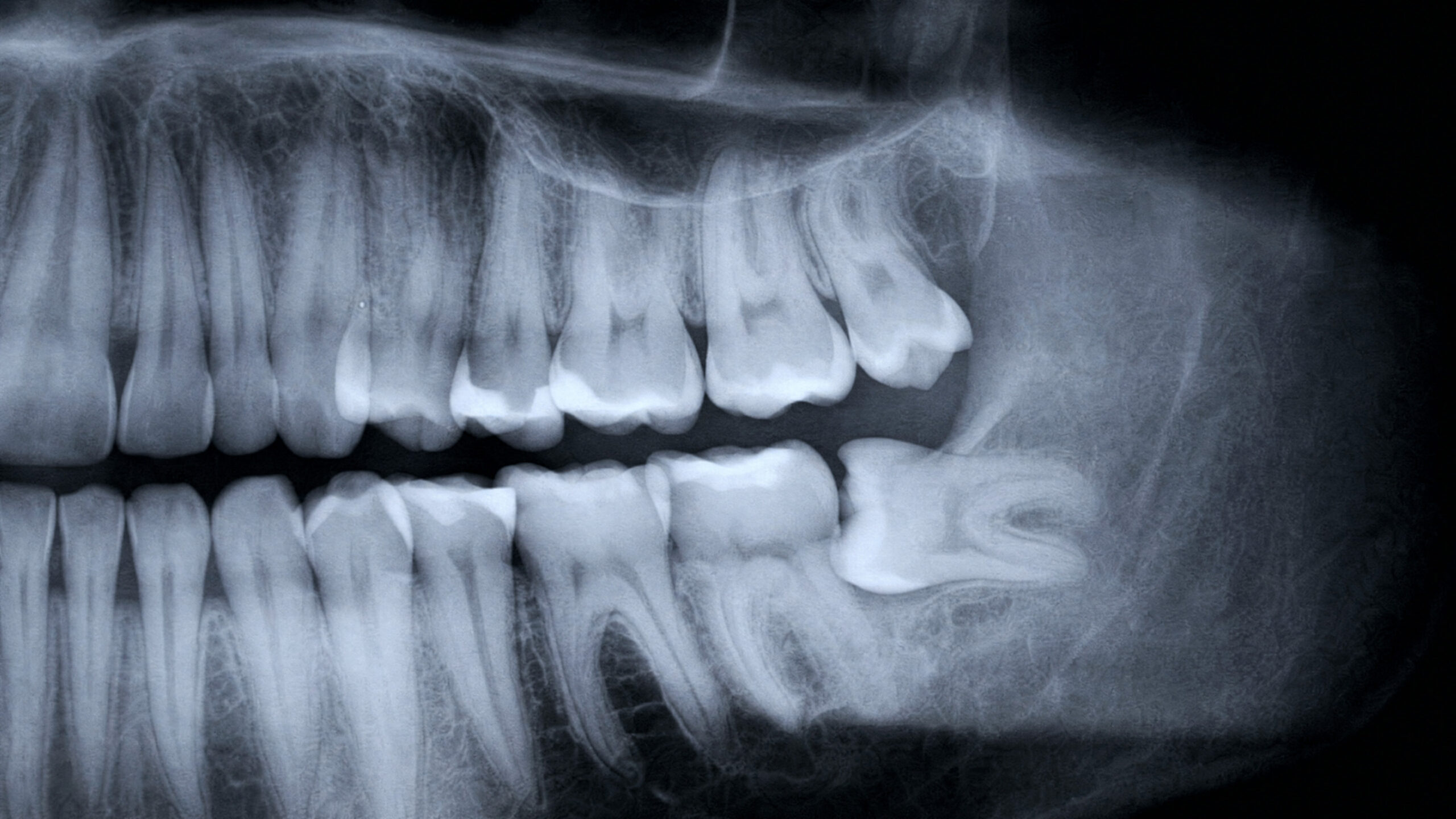
Learn when wisdom tooth pain, swelling, or impacted wisdom teeth may need professional assessment in Singapore.
Wisdom tooth pain is a common reason patients seek dental or oral surgery assessment in Singapore. Some wisdom teeth erupt normally and do not cause issues, while others may become impacted, infected, or difficult to clean. When pain, swelling, food trapping, or repeated gum irritation occurs, a professional assessment can help determine whether monitoring, treatment, or wisdom tooth removal may be appropriate.
At The Oral Maxillofacial Practice (OMP) in Singapore, wisdom tooth concerns are assessed as part of oral and maxillofacial care, which focuses on conditions affecting the mouth, jaw, face, and oral region. OMP’s website lists wisdom teeth as one of its key service areas, alongside dental implants, jaw surgery, jaw and facial pain, snoring / OSA, oral pathology, and orofacial injuries.
This article explains what wisdom teeth are, why they may cause symptoms, and when patients in Singapore should consider seeking assessment.
What Are Wisdom Teeth?
Wisdom teeth are the third molars located at the back of the mouth. They usually develop later than the other adult teeth.
Some wisdom teeth come through fully and can be cleaned like other molars. Others may only partially erupt or remain trapped under the gum. When this happens, the tooth may be described as impacted.
An impacted wisdom tooth may be positioned:
- Angled towards the neighbouring tooth
- Partially covered by gum tissue
- Fully under the gum
- Close to important structures such as nerves or the jawbone
- In a position that makes cleaning difficult
Not every impacted wisdom tooth causes symptoms. However, some may be associated with pain, infection, gum inflammation, decay, or pressure on nearby teeth.
Common Signs That a Wisdom Tooth Should Be Checked
Wisdom tooth symptoms can vary. Some patients experience mild discomfort, while others may have recurring pain or swelling.
You may consider seeking assessment if you notice:
- Pain at the back of the mouth
- Swelling around the gums or jaw
- Difficulty opening the mouth fully
- Bad taste or discharge around the gum
- Food repeatedly getting trapped behind the last molar
- Gum tenderness around a partially erupted tooth
- Pain when biting or chewing
- Repeated episodes of discomfort in the same area
- Facial swelling or jaw stiffness
These symptoms do not automatically mean that wisdom tooth removal is required. They do suggest that a clinical review may be helpful, especially if the symptoms persist or recur.
Why Wisdom Teeth Can Cause Pain
Wisdom tooth pain may happen for several reasons.
One common cause is inflammation around a partially erupted wisdom tooth. When part of the tooth is covered by gum tissue, food and bacteria may become trapped around the area. This can lead to gum irritation or infection.
Pain may also occur if the wisdom tooth is pushing against the tooth in front of it, has decay, or is difficult to clean properly.
In some cases, discomfort at the back of the mouth may not be caused by the wisdom tooth itself. It may be related to another tooth, gum condition, jaw joint issue, or surrounding oral structures. This is why assessment and imaging may be needed before deciding on the next step.
What Is an Impacted Wisdom Tooth?
An impacted wisdom tooth is a wisdom tooth that does not fully erupt into a normal position.
This can happen when there is not enough space in the jaw, when the tooth is angled, or when surrounding bone or gum tissue prevents the tooth from coming through properly.
An impacted wisdom tooth may be:
- Partially impacted: part of the tooth is visible in the mouth
- Fully impacted: the tooth remains covered by gum or bone
- Angled: the tooth leans towards another tooth or rests in an unusual position
A partially impacted wisdom tooth can sometimes be harder to clean because of the gum tissue around it. This may increase the chance of food trapping and inflammation.
When Is Wisdom Tooth Removal Considered?
Wisdom tooth removal may be considered when the tooth is causing symptoms or is associated with clinical concerns.
These may include:
- Repeated gum infection or inflammation
- Pain that keeps returning
- Decay affecting the wisdom tooth or neighbouring tooth
- Cyst-related concerns
- Gum problems around the wisdom tooth
- Difficulty cleaning the area
- Damage or pressure affecting the adjacent molar
- Orthodontic or surgical planning considerations, where relevant
The decision depends on clinical findings, symptoms, X-rays or scans, tooth position, and the patient’s overall oral health.
A careful assessment helps determine whether the wisdom tooth can be monitored or whether removal may be appropriate.
What Happens During a Wisdom Tooth Assessment?
A wisdom tooth assessment usually begins with a discussion of your symptoms, dental history, and any previous episodes of swelling or infection.
The clinician may then examine the area and review imaging. This may include dental X-rays or, in some cases, 3D imaging if the position of the wisdom tooth needs more detailed assessment.
During the consultation, patients may be advised about:
- The position of the wisdom tooth
- Whether the tooth is impacted
- Whether there are signs of infection, decay, or other concerns
- Whether monitoring is reasonable
- Whether removal may be considered
- The potential risks, benefits, and alternatives
- Expected recovery considerations
- Follow-up care, where needed
For many patients, the assessment provides clarity. It helps them understand whether symptoms are coming from the wisdom tooth and what options may be suitable.
Is Wisdom Tooth Surgery Always Needed?
No. Wisdom tooth surgery is not always needed.
Some wisdom teeth can be monitored if they are not causing symptoms, are not affecting neighbouring teeth, and can be cleaned adequately. Other wisdom teeth may need treatment if they are repeatedly painful, infected, decayed, or positioned in a way that creates clinical concerns.
A professional assessment is important because the decision depends on the individual case. The same symptom may have different causes in different patients.
Planning Wisdom Tooth Surgery Around Work or School in Singapore
For many patients in Singapore, timing matters. Wisdom tooth treatment may need to be planned around work, school, National Service, travel, or personal commitments.
During consultation, patients can discuss:
- Whether treatment is urgent or can be planned
- Expected recovery time
- Food and activity considerations after the procedure
- Follow-up appointments
- What to prepare before the appointment
- When to seek help after treatment if symptoms worsen
Avoid relying only on online information to estimate recovery. Recovery can vary depending on the tooth position, complexity of removal, and individual healing factors.
What Patients Should Avoid Doing
If you have wisdom tooth pain, avoid repeatedly self-managing the issue without assessment, especially if symptoms keep returning.
You should also avoid:
- Ignoring recurring swelling
- Pressing or picking at the gum
- Delaying review when there is facial swelling
- Taking medication without proper advice
- Assuming all wisdom tooth pain requires surgery
- Assuming the pain will always resolve on its own
Good oral hygiene can help reduce food trapping, but persistent pain or swelling should be checked.
When to Seek Prompt Dental or Medical Attention
Some symptoms should be assessed more urgently.
Seek prompt professional attention if you experience:
- Facial swelling
- Fever
- Difficulty swallowing
- Difficulty breathing
- Difficulty opening the mouth
- Spreading pain or swelling
- Severe pain that does not improve
- Swelling under the jaw or around the neck
These symptoms may indicate infection or another condition that requires timely care.
How OMP Supports Wisdom Tooth Patients in Singapore
OMP provides assessment and treatment planning for oral and maxillofacial concerns in Singapore, including wisdom tooth-related issues. OMP is located at Mount Elizabeth Novena Specialist Centre, and its News & Blog page presents the practice’s focus on patient education and clinical insights.
For wisdom tooth concerns, the aim is to first understand the patient’s symptoms, review the tooth position, and explain the available options clearly. This helps patients make informed decisions based on their clinical findings and individual circumstances.
“Patients who are experiencing recurring discomfort may benefit from a clinical review for wisdom tooth surgery in Singapore.”
What is an impacted wisdom tooth?
“An impacted wisdom tooth is one that does not fully erupt into its expected position. SingHealth provides a patient-friendly overview of impacted wisdom teeth and common symptoms.”
When to seek assessment
“If symptoms persist, patients may consider assessment with an oral and maxillofacial surgeon in Singapore.”
Recovery planning section
“Patients planning treatment around work, school, or travel may also find this guide on wisdom tooth surgery recovery and care tips helpful.”
Frequently Asked Questions
1. When should I get wisdom tooth pain checked?
You should consider assessment if wisdom tooth pain persists, keeps returning, or is associated with swelling, gum tenderness, food trapping, difficulty chewing, or difficulty opening the mouth.
2. Does wisdom tooth pain always mean the tooth must be removed?
No. Wisdom tooth pain does not always mean removal is required. Assessment helps determine whether the tooth can be monitored or whether treatment may be appropriate.
3. What is an impacted wisdom tooth?
An impacted wisdom tooth is a wisdom tooth that has not fully erupted into a normal position. It may be partly covered by gum, fully under the gum, angled, or positioned close to another tooth.
4. Can an impacted wisdom tooth cause swelling?
Yes, an impacted or partially erupted wisdom tooth may be associated with gum inflammation, food trapping, infection, or swelling. A clinician can assess the likely cause.
5. Is wisdom tooth surgery painful?
Patients should discuss anaesthesia, comfort measures, risks, and recovery expectations during consultation. The experience can vary depending on the tooth position, procedure complexity, and individual factors.
6. How long does wisdom tooth recovery take?
Recovery varies between patients. It may depend on whether the tooth was simple or complex to remove, the degree of impaction, and the individual’s healing response. Your clinician can provide guidance based on your case.
7. Can I wait and monitor my wisdom tooth?
In some cases, monitoring may be reasonable. However, recurring pain, swelling, infection, decay, or difficulty cleaning the area should be assessed to determine the appropriate next step.
Final Note
Wisdom tooth pain is common, but the cause is not always straightforward. If symptoms persist or return, a professional assessment can help clarify whether the wisdom tooth is the source of the problem and whether monitoring or treatment may be appropriate.
At The Oral Maxillofacial Practice in Singapore, patients can seek assessment for wisdom tooth concerns and other conditions affecting the mouth, jaw, face, and oral region.
Educational Disclaimer
This article is intended for general educational information only and should not replace consultation with a qualified dental or medical professional. Diagnosis and treatment recommendations depend on individual clinical assessment.